Open Book and Technology Network: Bridging Creative Design with Digital Utility
In the rapidly evolving landscape of digital content creation, the intersection of accessibility and professional-grade quality has become a critical focal point for designers, educators, and business owners alike. The concept of an Open Book and Technology Network represents more than just a repository of files; it symbolizes a collaborative ecosystem where knowledge is shared freely, and technological tools are leveraged to democratize design. At the heart of this network lies a specific, high-value asset: a meticulously crafted digital graphic element designed with precision and versatility in mind. This article explores how such resources, defined by their technical specifications and broad applicability, can transform creative workflows.
The Foundation of High-Quality Digital Assets
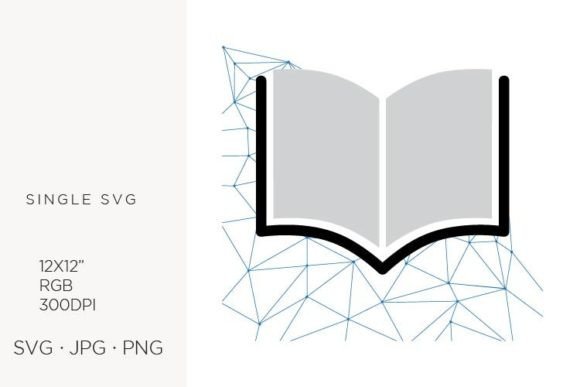
When discussing digital graphics within the realm of the Open Book and Technology Network, one must first understand the importance of technical fidelity. The core file in question is not merely a snapshot or a low-resolution web image. It is a professional-grade asset built on an artboard size of 12 x 12 inches, rendered at a resolution of 300 DPI (dots per inch), and utilizing the RGB color palette. These specifications are not arbitrary; they are the industry standard for ensuring that digital designs translate seamlessly into physical products without losing clarity or color vibrancy.
The choice of RGB is particularly significant for users who intend to use these graphics for both screen-based media and modern digital printing processes. While CMYK is traditionally associated with offset printing, RGB remains the dominant color model for digital displays, web design, and many on-demand printing services. By adhering to this standard, the Open Book and Technology Network ensures that creators have a versatile starting point that requires minimal adjustment before deployment.
Vector Precision Meets Raster Flexibility
A defining characteristic of these files is their origin. They are made in a vector program, specifically Adobe Illustrator. This distinction is crucial for professionals who require scalability. Vector graphics use mathematical equations to define shapes, allowing them to be resized infinitely without pixelation. However, to accommodate a wider range of users and software capabilities, these assets are distributed in multiple formats: SVG, JPG, and PNG.
- SVG (Scalable Vector Graphics): Ideal for web design and logo creation, as it maintains crisp edges at any size and is easily editable in code or vector software.
- JPG (Joint Photographic Experts Group): A compressed format suitable for quick previews, social media posts, and situations where file size is a concern.
- PNG (Portable Network Graphics): Offers lossless compression and supports transparency, making it perfect for layering graphics over other images or backgrounds in stationery and invitations.
This multi-format approach ensures that whether you are a seasoned graphic designer using Adobe Creative Cloud or a small business owner using Canva or Microsoft Word, you can integrate these elements into your projects effortlessly.
Practical Applications Across Industries
The true value of the Open Book and Technology Network resources lies in their adaptability. Because the base files are clean, high-resolution, and well-structured, they serve as building blocks for a myriad of creative endeavors. Below are several real-world scenarios where these digital graphics elements prove indispensable.
Branding and Identity Design
For startups and entrepreneurs, creating a cohesive brand identity is often the first step toward market presence. Using the SVG files from this network, designers can create unique logo designs that scale from business cards to billboard advertisements. The vector nature of the source file allows for easy manipulation of colors and shapes to align with specific brand guidelines, ensuring a professional look without the high cost of custom illustration.
Print-on-Demand and Handmade Crafts
The rise of the maker economy has empowered individuals to sell handmade goods online. With files prepared at 300 DPI, creators can confidently produce wall art, printed paper items, and stationery. The 12x12 inch artboard is particularly popular in the scrapbooking and card-making communities. Users can print these designs on high-quality cardstock to create handmade cards, invitations, and announcements for weddings, birthdays, and corporate events. The clarity of the print ensures that fine details remain sharp, enhancing the perceived value of the final product.
Digital Media and Web Presence
Beyond physical prints, these assets are vital for graphic and web design. The PNG format, with its transparency support, allows web developers to overlay decorative elements onto website headers, blog post featured images, and social media banners. This adds a layer of visual interest and professionalism to digital platforms, helping businesses stand out in crowded online spaces.
- Party Decor: Print large-scale banners and cupcake toppers using the high-resolution JPGs.
- Jewelry Design: Use the vector paths to create laser-cut acrylic or metal pendants.
- Educational Materials: Teachers can incorporate these clear, engaging graphics into worksheets and presentations.
Evaluating Suitability for Your Projects
While the Open Book and Technology Network provides robust tools, it is essential for users to evaluate whether these specific assets meet their project requirements. Not every design challenge requires a 300 DPI vector file. For instance, if you are creating a temporary social media story that will disappear in 24 hours, a lower-resolution file might suffice. However, for any project intended for print or long-term brand use, investing time in properly utilizing these high-quality files is non-negotiable.
Consider the following factors when integrating these elements:
Color Management: Since the files are in RGB, users planning for traditional offset printing should convert colors to CMYK during the pre-press stage to avoid color shifts. Digital printers, however, often handle RGB files directly with excellent results.
Software Compatibility: While SVG is widely supported, some older software may struggle with complex vector paths. In such cases, relying on the high-resolution PNG or JPG versions ensures compatibility without sacrificing too much quality.
Strengths and Considerations
The primary strength of this approach is versatility. By providing files in multiple formats and ensuring they are created in professional software like Adobe Illustrator, the Open Book and Technology Network removes barriers to entry for amateur designers while still satisfying the technical demands of professionals. It bridges the gap between complex design theory and practical application.
However, users must also recognize the limitations. A static graphic element, no matter how high-quality, is just one piece of the puzzle. Effective design requires an understanding of layout, typography, and color theory. These files are tools, not complete solutions. They require the user’s creative input to transform them into compelling final products. Additionally, while 300 DPI is ideal for print, it results in larger file sizes, which may need optimization for web use to ensure fast loading times.
Conclusion
The Open Book and Technology Network exemplifies how structured, high-quality digital resources can empower a diverse range of creators. By offering files with precise specifications—12x12 artboards, 300 DPI resolution, RGB color, and multiple formats including SVG, JPG, and PNG—it provides a solid foundation for everything from logo design to handmade craft items. Whether you are designing invitations, creating web graphics, or producing party decor, these assets offer the flexibility and quality needed to succeed in today’s visual-centric world. By understanding the technical nuances and applying them thoughtfully, users can unlock the full potential of these digital elements, turning simple files into impactful creative works.